by Nikolaus J. Kurmayer
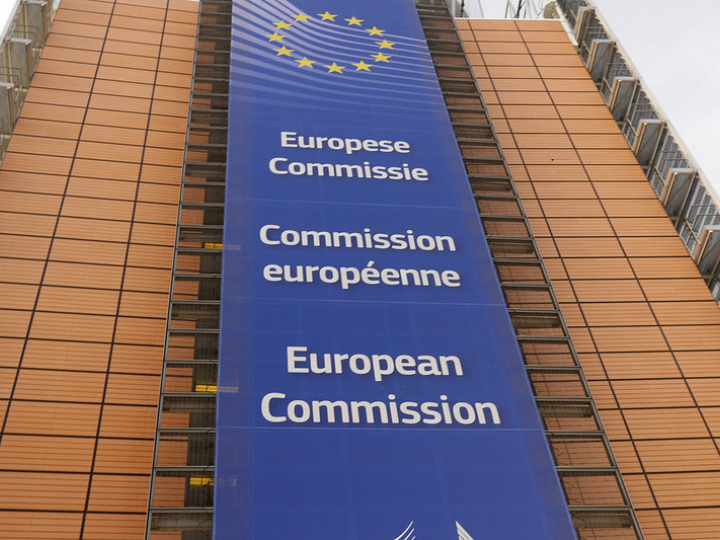
The European Commission’s energy department may issue a White Paper in 2025 which would lay the ground for further electricity market reforms, according to an internal document seen by Euractiv.
The new college of commissioners has been tasked with lowering energy prices, but in their hearings in front of the European Parliament in November, the relevant commissioners did not commit to revising power market rules.
However, the internal document, which dates from July, says that the paper would be a “broad policy reflection" to "inform a possible European reform towards a fully integrated internal market for electricity."
A similar 2012 White Paper paper resulted in the transformative ’Clean energy for all Europeans’ package of eight new laws, and was designed to "to give all Europeans access to secure, competitive and sustainable energy."
Since the Package was agreed, the percentage of renewables in the European energy system has increased significantly.
This has led to new challenges, such as spikes in system dispatch costs, which reached €4 billion in 2023, as grid operators struggle to cope with electricity loads during periods of high solar and wind production.
What to expect
Commission energy officials are interested in creating “stronger locational investment signals,” which would encourage new renewable generation to be installed where it is most productive.
Germany’s regulator, BNetzA, recently published a position paper on the subject, urging cheaper construction charges for installations in desired locations.
The Commission is also eying a consolidation of energy regulation powers, from regulators like BNetzA to a more centralised authority.
“Many decisions with direct cross-border relevance are currently still dependent on regulatory authorities established at national level, leading to delays and inefficiencies,” the document states.
"Several regulatory tasks and responsibilities” are being conducted by “private bodies with commercial interests,” it adds.
The document stresses that key market functions “such as market coupling” need to be “centralised " for the European system to function properly.
The “Commission is right to point the finger at fossil gas as the culprit to high energy prices and suggest that investments in renewables, grids, and flexibility are the way forward,” Tom Lewis, an energy expert with NGO CAN Europe, told Euractiv, but warned that this approach risks favouring industry over consumers.
“Rising network tariffs due to grid infrastructure investments risk keeping electricity prices high, and it is only right that these costs are shared equitably across society with the most vulnerable protected,” he added.
*first published in: Euractiv.com
 By: N. Peter Kramer